Rockwell X-30
Aerospace
14 January 2026
Introduction
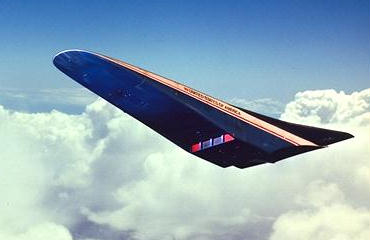
The Rockwell X-30 was the primary design configuration for the National Aero-Space Plane (NASP) programme, a joint venture between NASA and the United States Department of Defence (primarily the US Air Force). Active between 1986 and 1993, the project represented one of the most ambitious attempts in aviation history to bridge the gap between atmospheric flight and orbital mechanics.
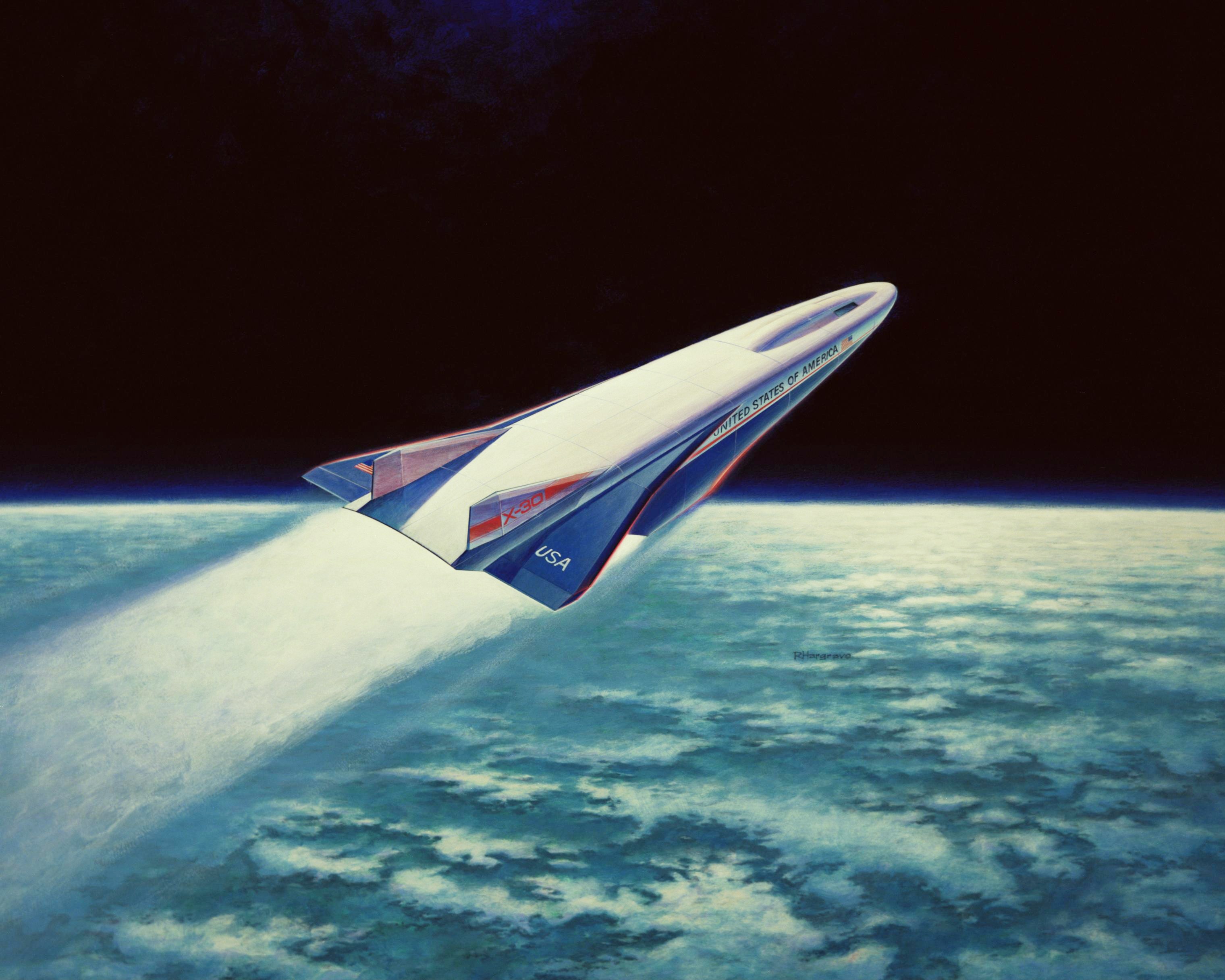
Announced by President Ronald Reagan in his 1986 State of the Union address as the "Orient Express," the X-30 was envisioned as a hypersonic transport capable of flying from Washington DC to Tokyo in two hours. At its core, however, the X-30 was a technology demonstrator intended to achieve Single-Stage-to-Orbit (SSTO) capability.
Unlike conventional space delivery systems that rely on multi-stage rockets and expendable tanks, the X-30 was designed as a fully reusable, horizontal-takeoff-and-landing (HTAL) aircraft. Rockwell International was selected as the prime contractor for the airframe, tasked with integrating experimental propulsion and advanced materials that pushed the boundaries of known physics.
Objectives
The NASP programme was underpinned by several radical engineering objectives:
• SSTO Capability: The primary goal was to reach Earth orbit using a single vehicle without dropping stages, significantly reducing the cost per kilogram of payload.
• Hypersonic Air-Breathing Propulsion: To avoid carrying heavy on-board oxidisers for the entire ascent, the X-30 aimed to use atmospheric oxygen through a Supersonic Combustion Ramjet (Scramjet).
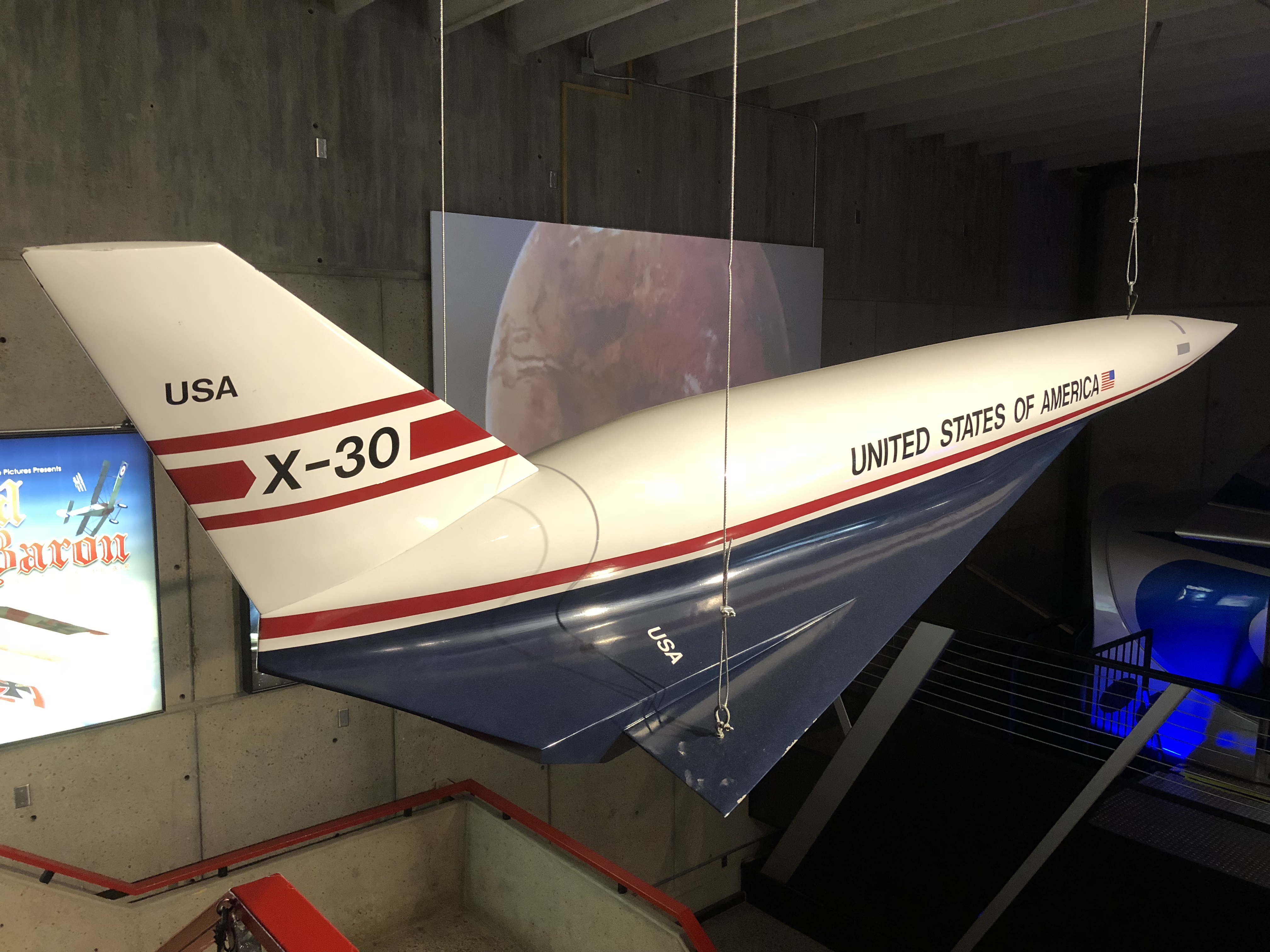
• Runway Operations: The vehicle was designed to operate from standard reinforced runways, eliminating the need for complex vertical launch pads.
• Advanced Materials Development: The aircraft needed to withstand sustained aero-thermodynamic heating, requiring the invention of materials that could maintain structural integrity at temperatures exceeding 1,650°C.

Assessment
The technical assessment of the X-30 reveals a project that was simultaneously ahead of its time and constrained by the computational and material limits of the late 20th century.
1. Propulsion Integration
The X-30 utilised an integrated "airframe-engine" design. The entire underbody of the aircraft served as the propulsion system: the forward fuselage acted as the intake ramp to compress incoming air, while the aft fuselage served as the expansion nozzle for the exhaust.
The transition through various propulsion regimes was the primary challenge:
• Subsonic to Mach 3: Conventional turbojets or specialised low-speed cycles.
• Mach 3 to Mach 6: Ramjet mode.
• Mach 6 to Mach 25: Scramjet mode, where combustion occurs in a supersonic airflow.
Achieving stable combustion in a supersonic stream is often compared to "lighting a match in a hurricane." By the early 1990s, while progress was made, researchers could not reliably demonstrate that the scramjet could produce enough net thrust to overcome the immense drag at Mach 20+.
2. Thermal Management and Materials
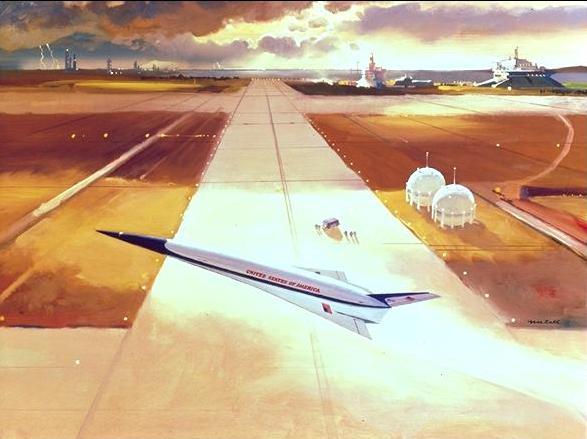
The X-30's skin faced extreme heat flux. To combat this, the programme moved away from passive ceramic tiles (like those on the Space Shuttle) towards active cooling. This involved circulating slush hydrogen fuel through the leading edges and engine struts to act as a heat sink before the fuel was injected into the engine.
Key material innovations included:
• Titanium-Aluminide Alloys: For high-strength, low-weight structural components.
• Carbon-Carbon Composites: For high-temperature areas.
• Silicon Carbide-Reinforced Titanium: A metal-matrix composite for the fuselage.
3. The "Weight Spiral" and CFD Limits
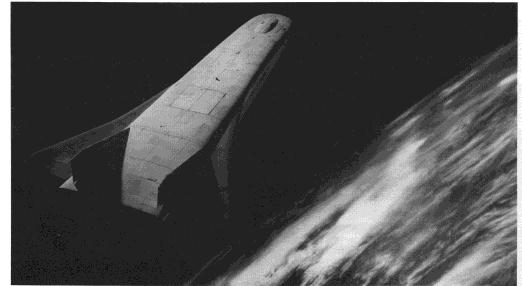
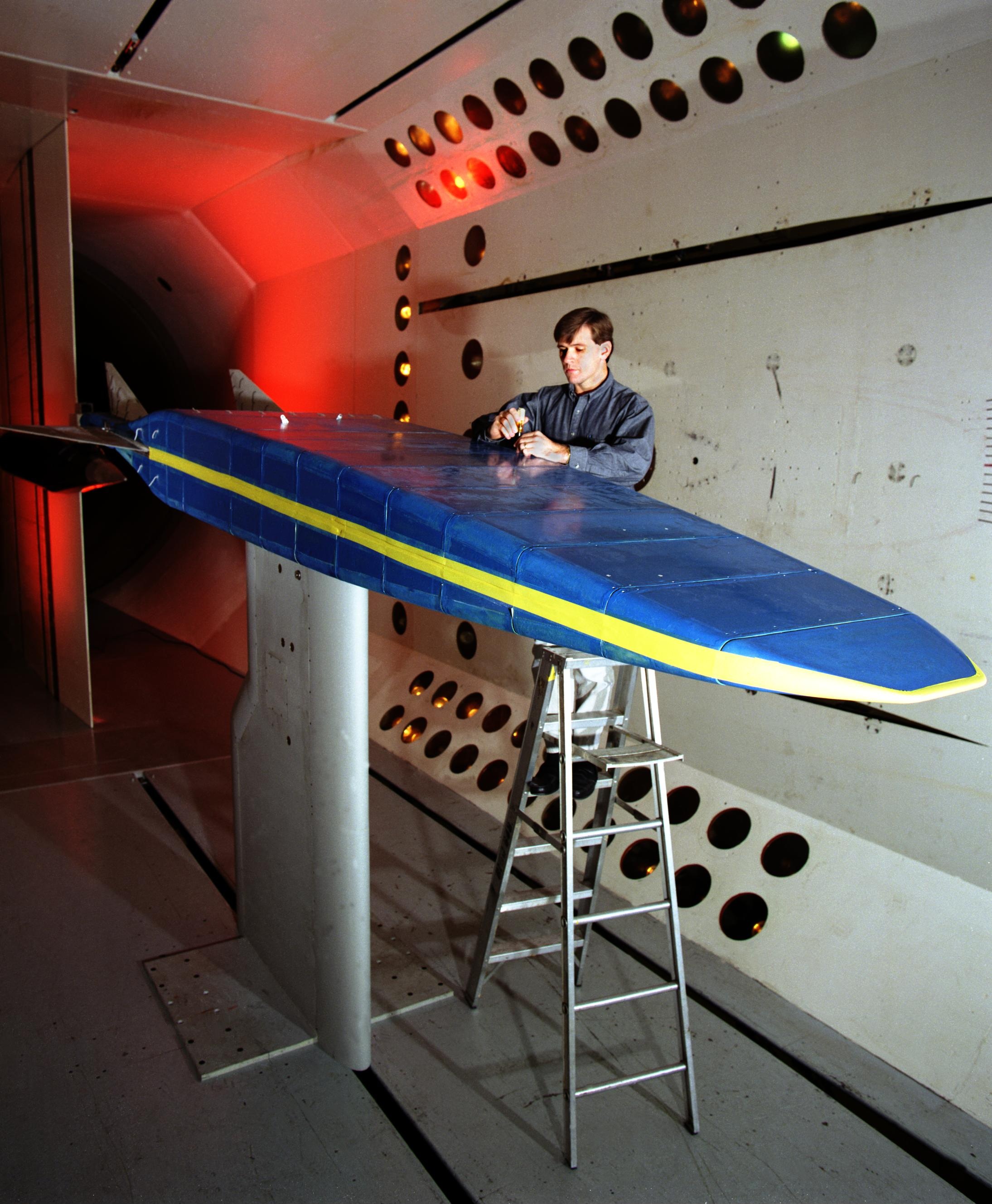
Designers were caught in a "weight spiral": the need for more fuel required a larger tank, which increased the surface area (drag) and weight, requiring even more thrust and fuel. Furthermore, the Computational Fluid Dynamics (CFD) of the era was insufficient to accurately model the complex chemistry of air at Mach 25. Without a wind tunnel capable of simulating these speeds for sustained periods, engineers were essentially "flying blind" in the higher Mach regimes.
Conclusion
The Rockwell X-30 programme was officially cancelled in 1993. While the aircraft never flew, the project cannot be classified as a total failure. It served as a massive "incubator" for aerospace technologies that are now standard in modern hypersonics.
Key Legacies:
• Material Science: The development of titanium-aluminide and advanced composites directly benefited later military and commercial turbine designs.
• Hypersonic Logic: The data gathered paved the way for the successful X-43A (Hyper-X), which finally proved scramjet flight in 2004.
• Infrastructure: The NASP programme funded the creation of high-temperature test facilities and CFD software that remain in use today.
The X-30 remains a testament to the "High Frontier" era of aerospace — a bold attempt to treat space not as a destination for rockets, but as an extension of the airfield.